Padua
Giotto, Galileo, and the Oldest Student City in Italy
The Scrovegni Chapel • Palazzo della Ragione • The Bo • Prato della Valle
Plan a Day in Padua Get Early Access🎓 Padua Essentials
🧭 Why Visit
Padua has the room where Western painting changes. Giotto frescoed the Scrovegni Chapel in 1305 and you get fifteen minutes inside it, booked in advance, after sitting in an airlock that dries the air first. The rest of the city earns its day too: a medieval hall the size of a cathedral, a university where Galileo lectured, the oldest botanical garden in the world, and one of the largest squares in Europe. It is half an hour from Venice and it belongs to the people who live in it.
🏛️ A Little History
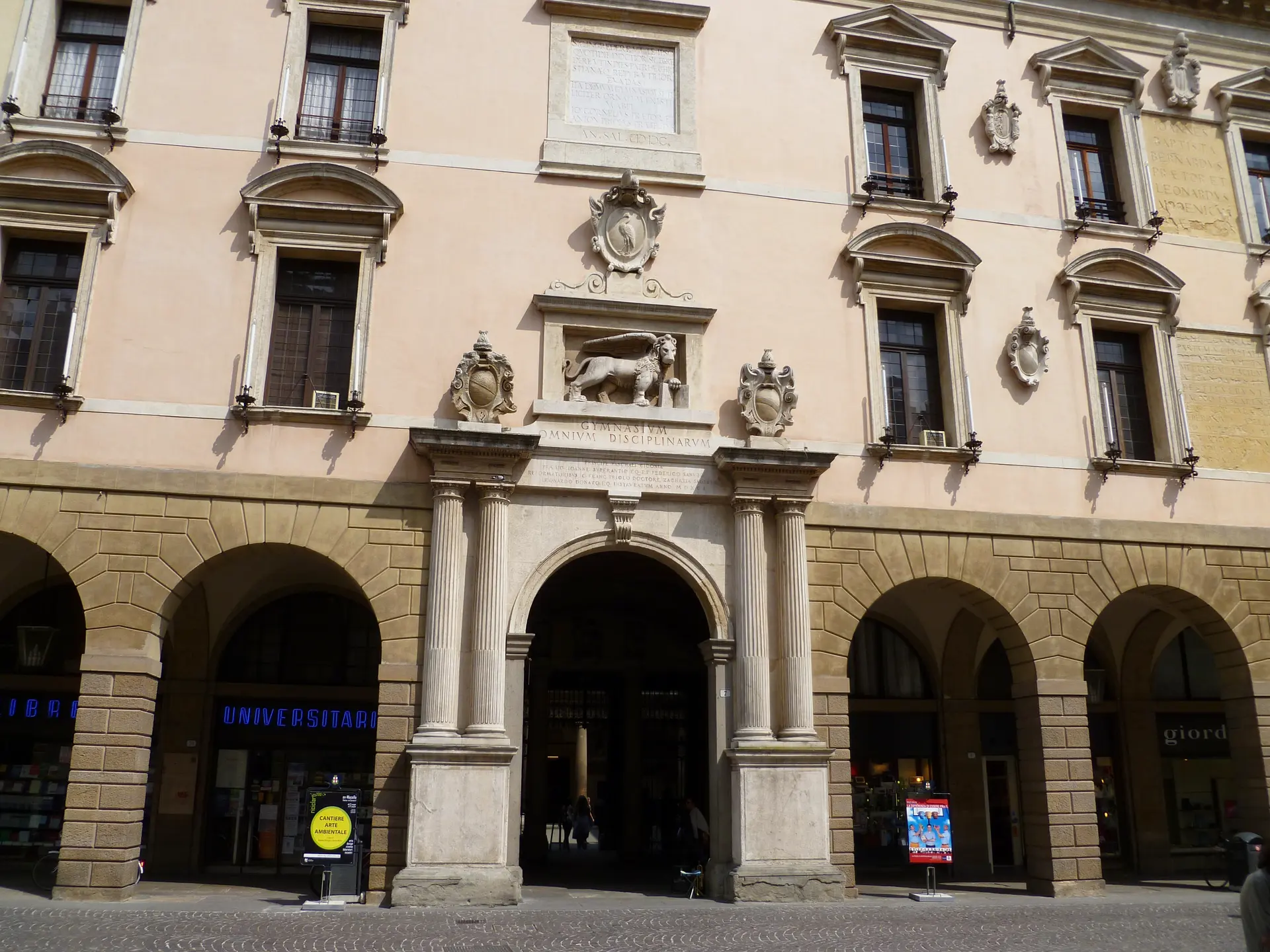
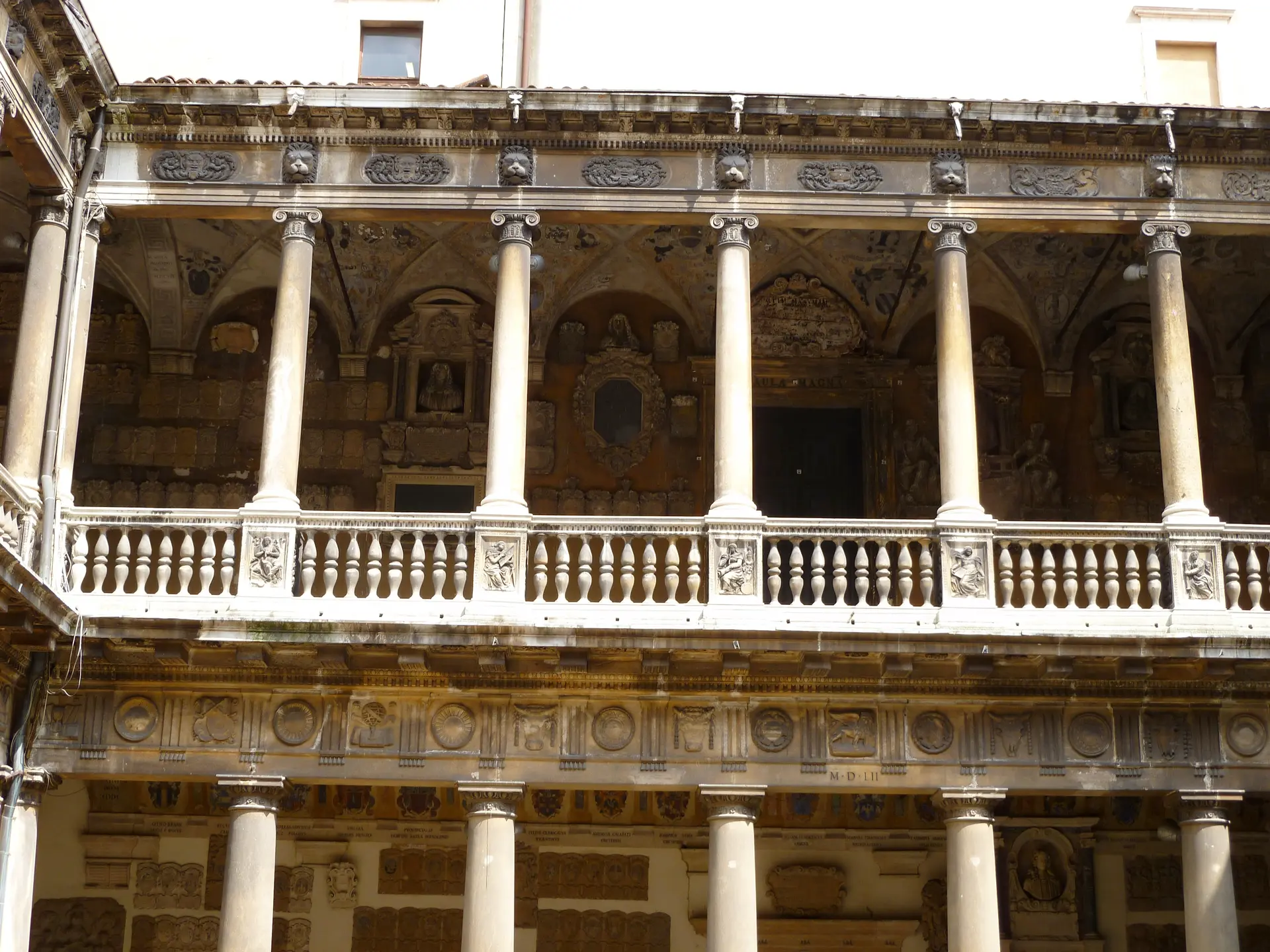
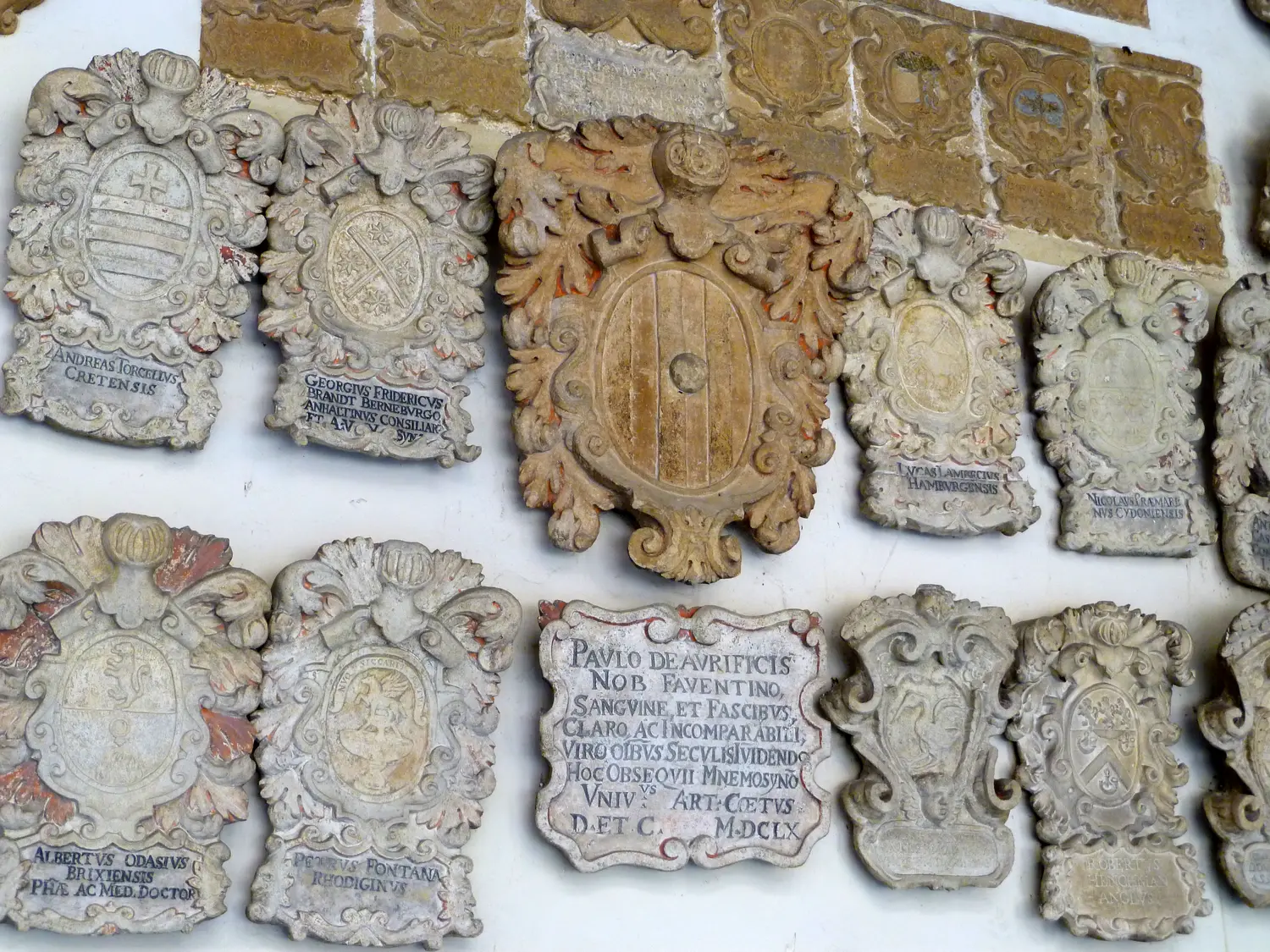
The university was founded in 1222 by scholars walking out of Bologna, and it has been at the Palazzo del Bo since 1493. Galileo taught here for eighteen years and called them the best of his life. In 1678 Elena Cornaro Piscopia took her degree here and became the first woman anywhere to earn a doctorate. The Scrovegni Chapel came earlier, in 1305, paid for by a banker's son on land bought with a fortune the poets said was made from usury.
💡 Did You Know?
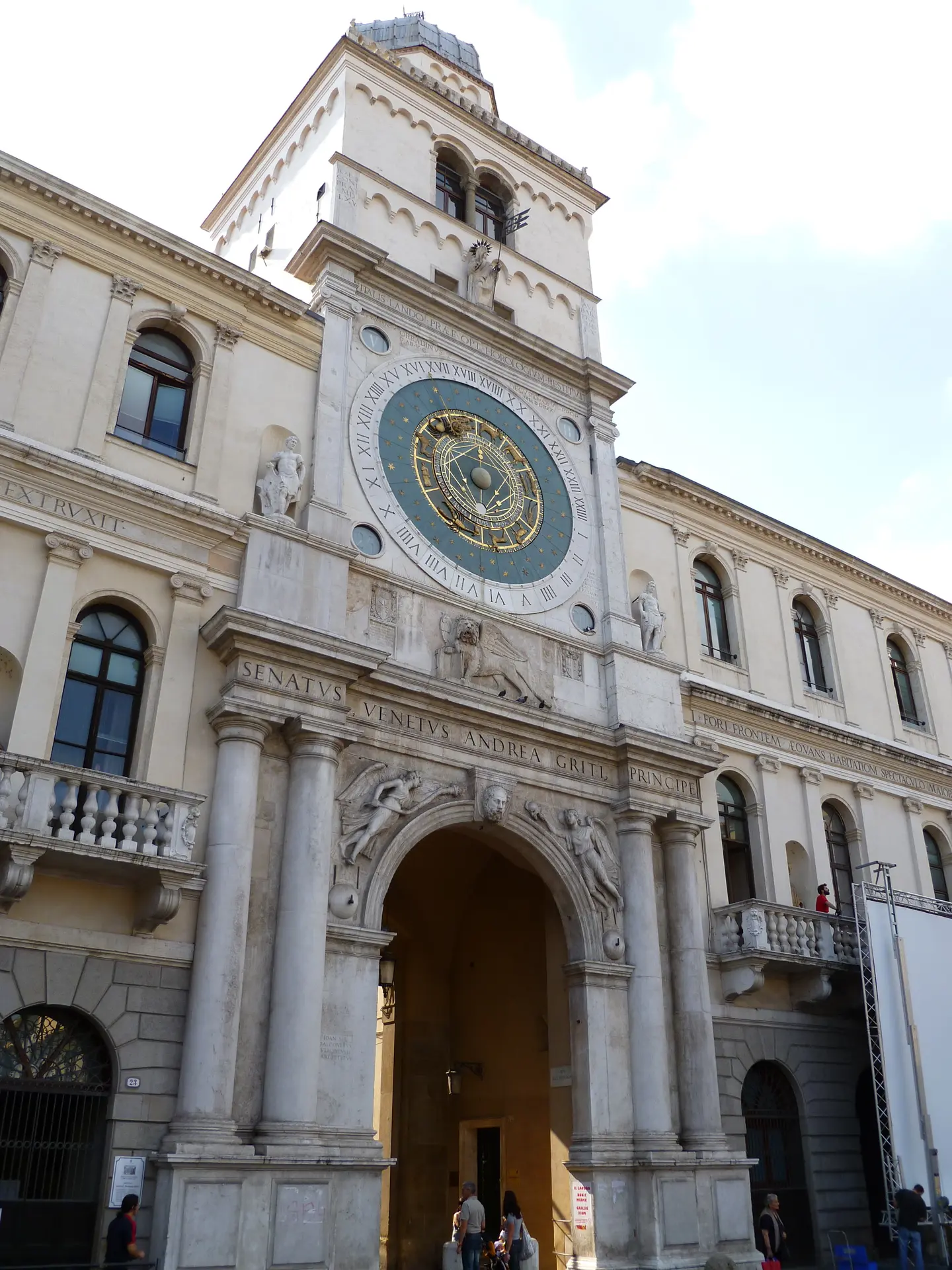
The astronomical clock on Piazza dei Signori has run since 1434, and its zodiac has only eleven signs. Libra is missing, because the older reckoning the dial follows counted Libra and Scorpio as one. Padua has told the story for centuries as a clockmaker's blunder avenged, which is a better story and not the true one.
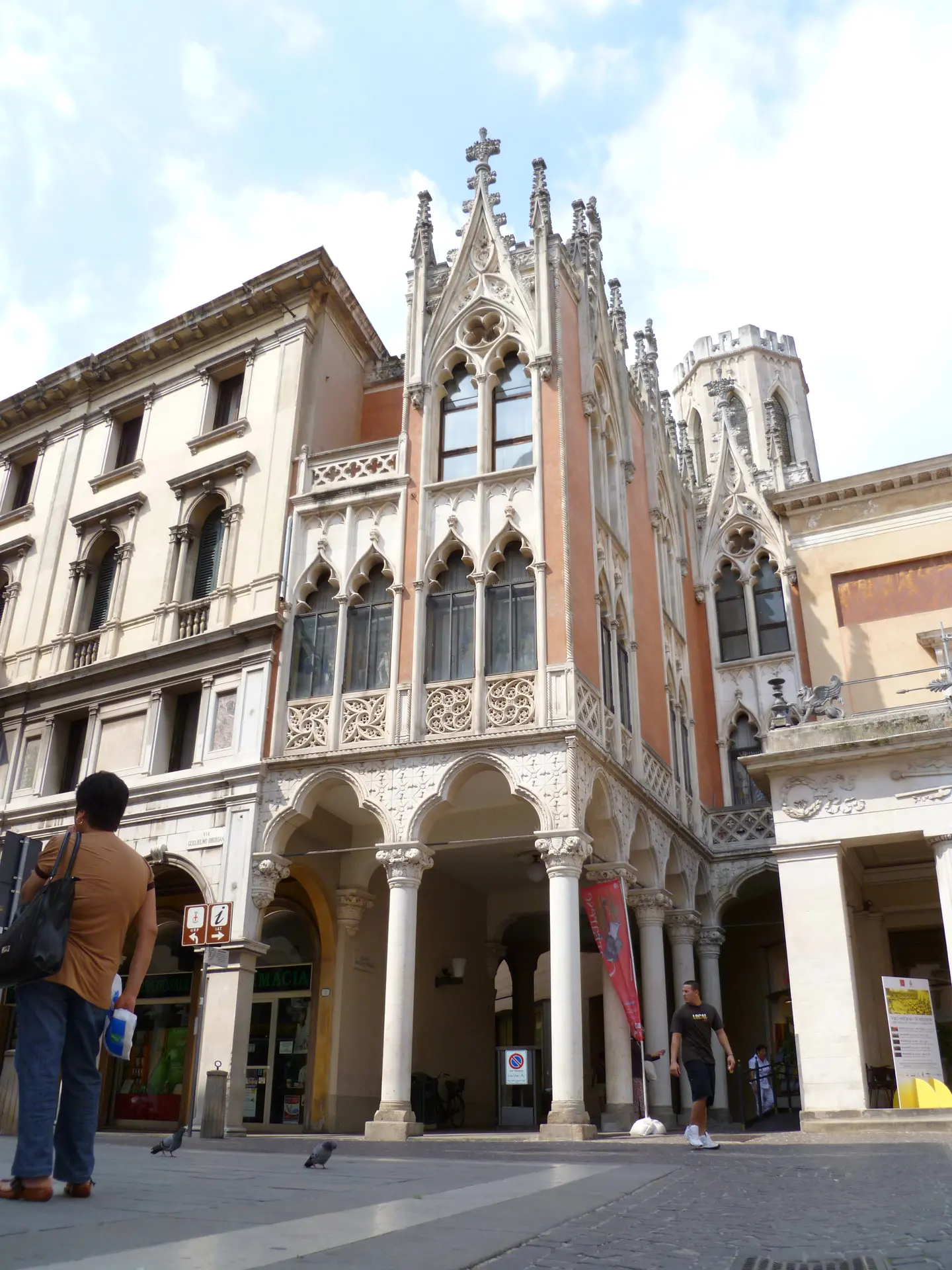
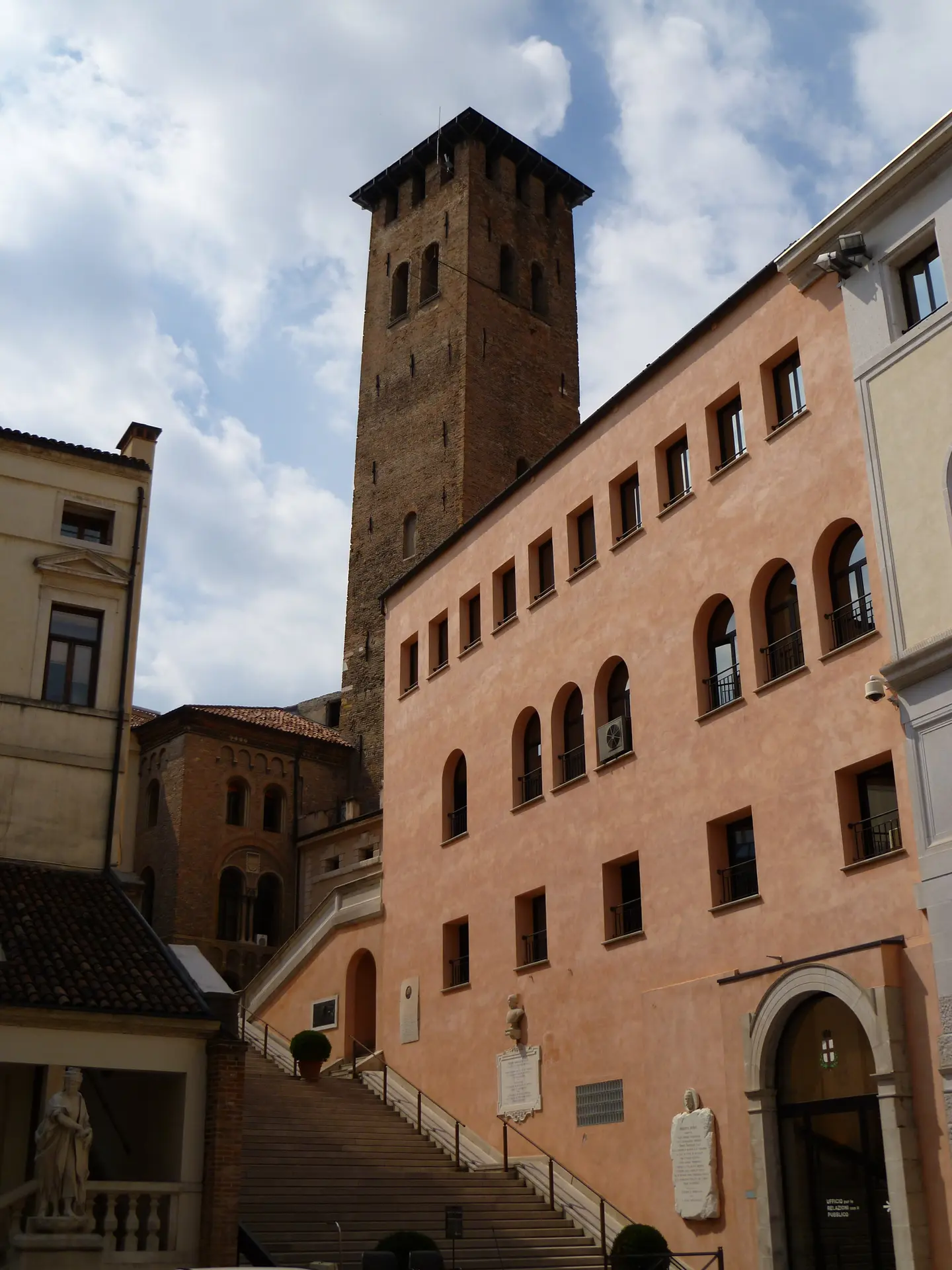
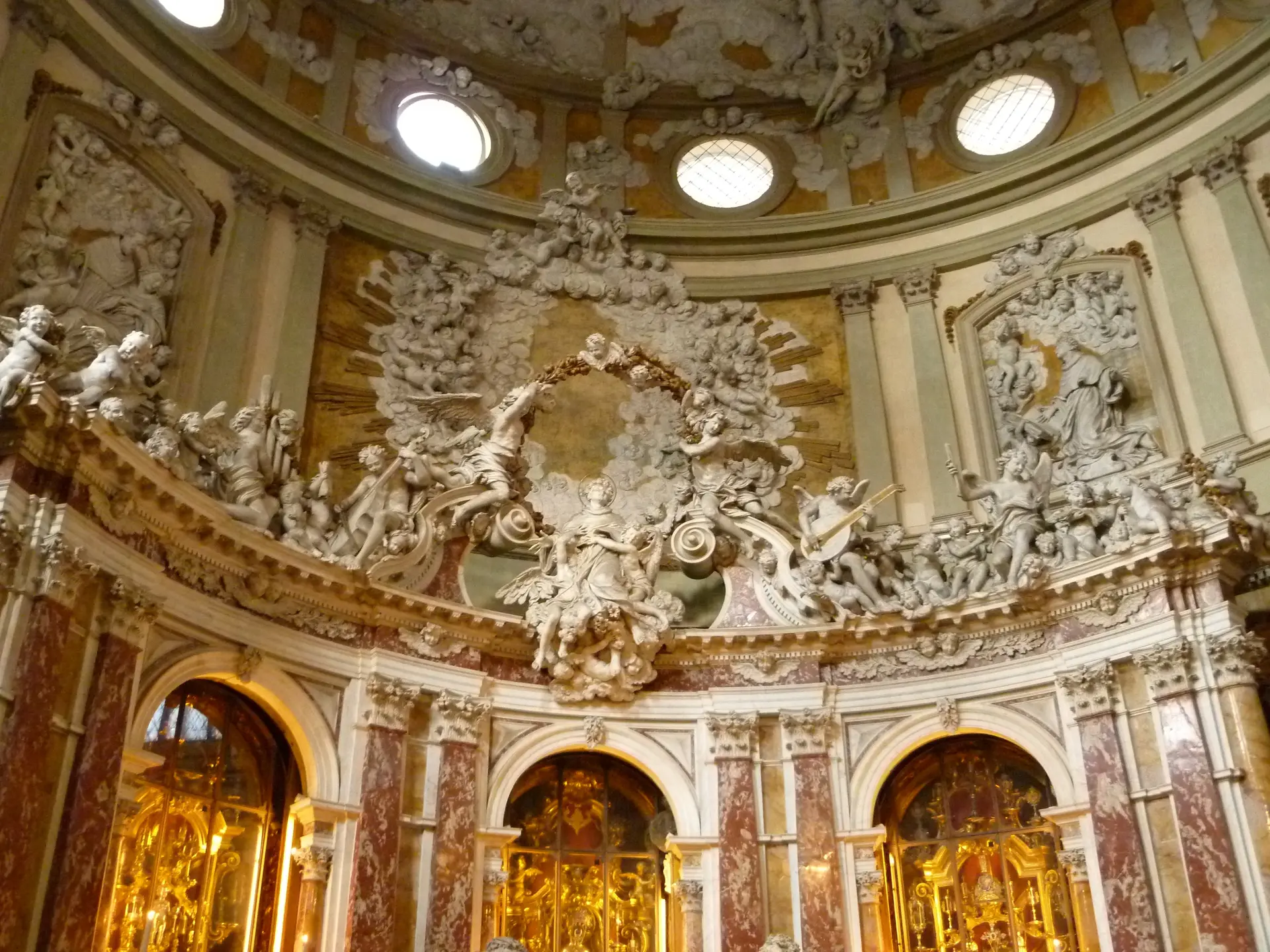
Pedrocchi and the Bo
The student quarter, where the café and the university face each other across one street.
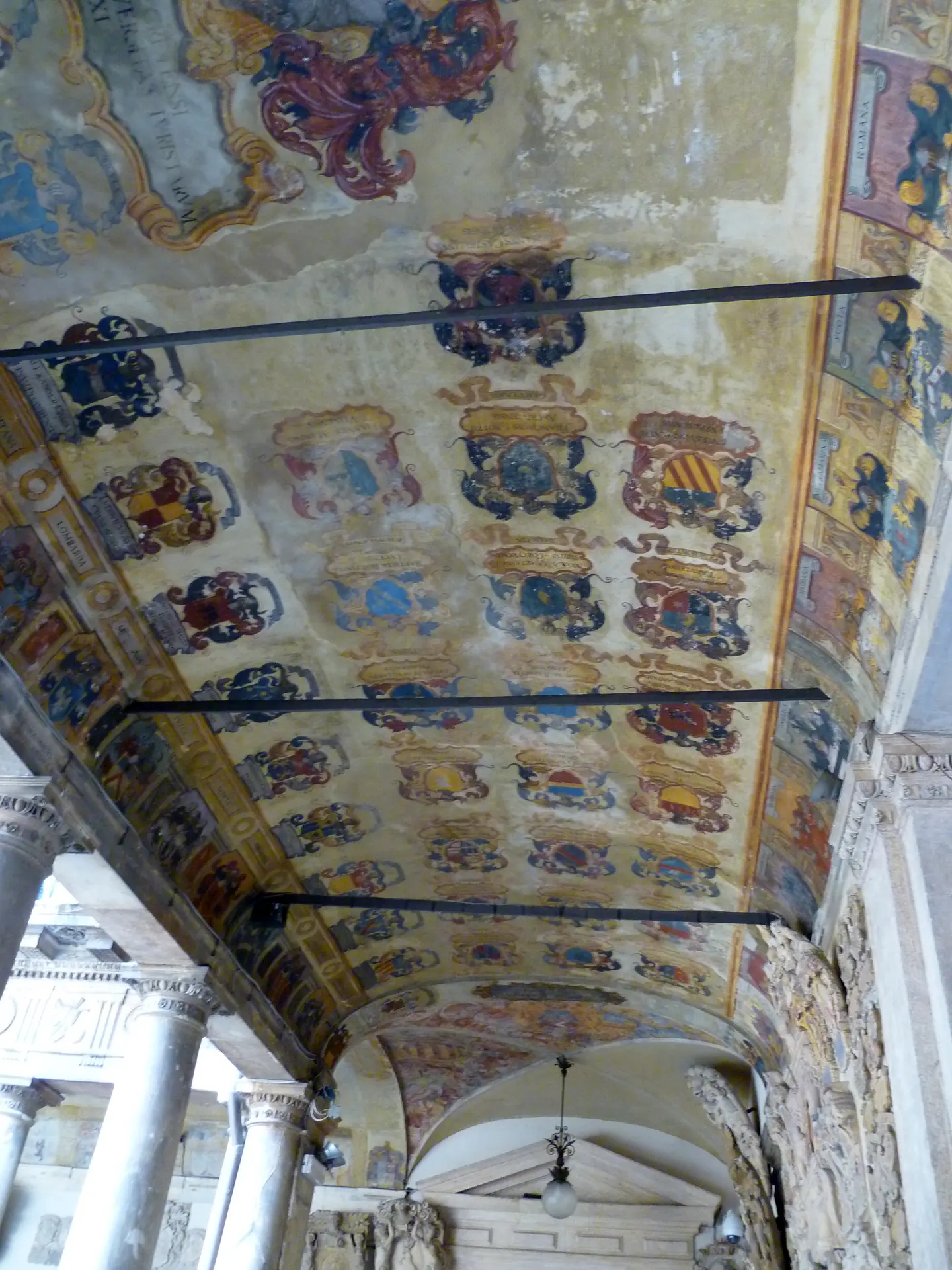
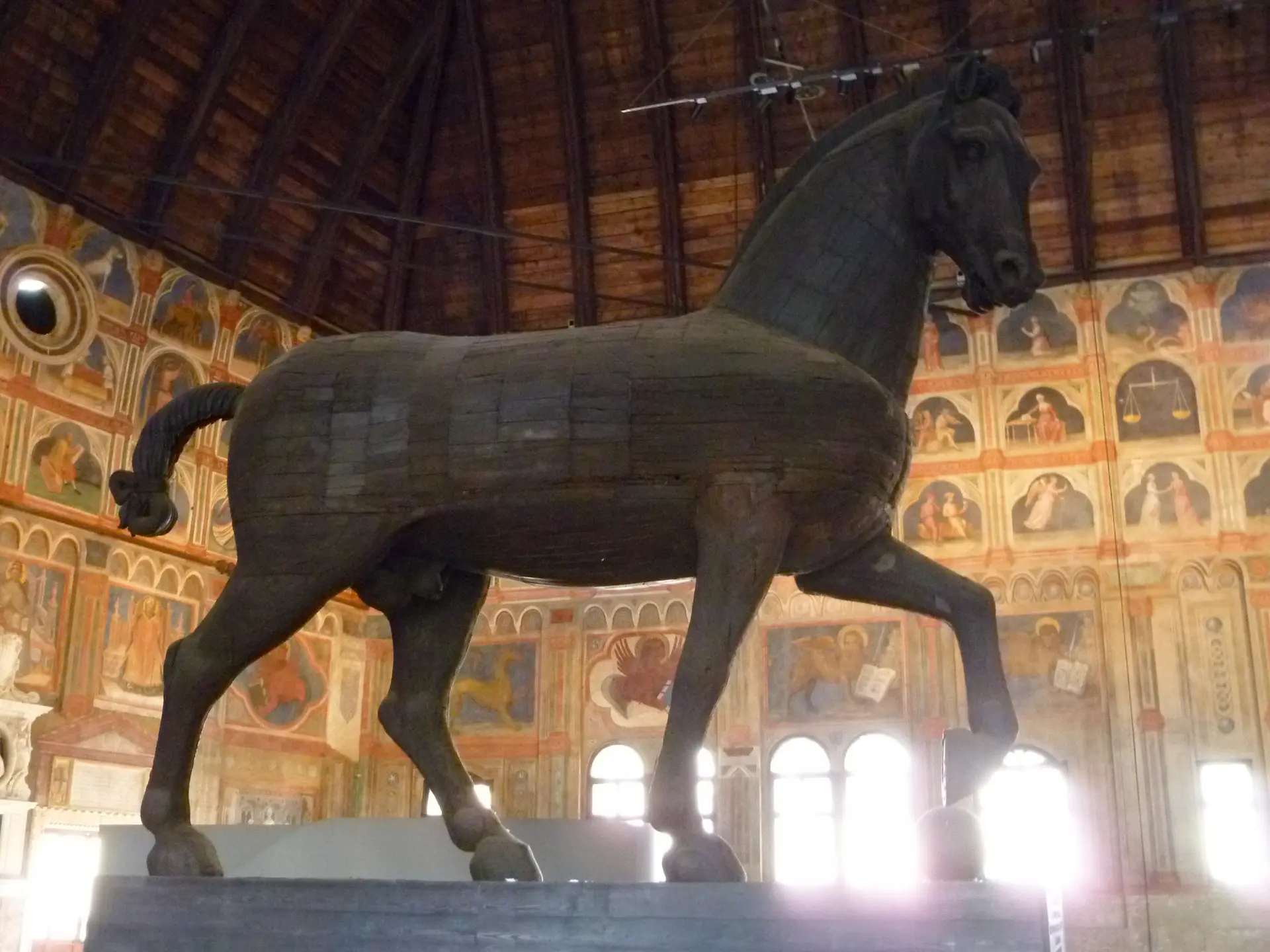
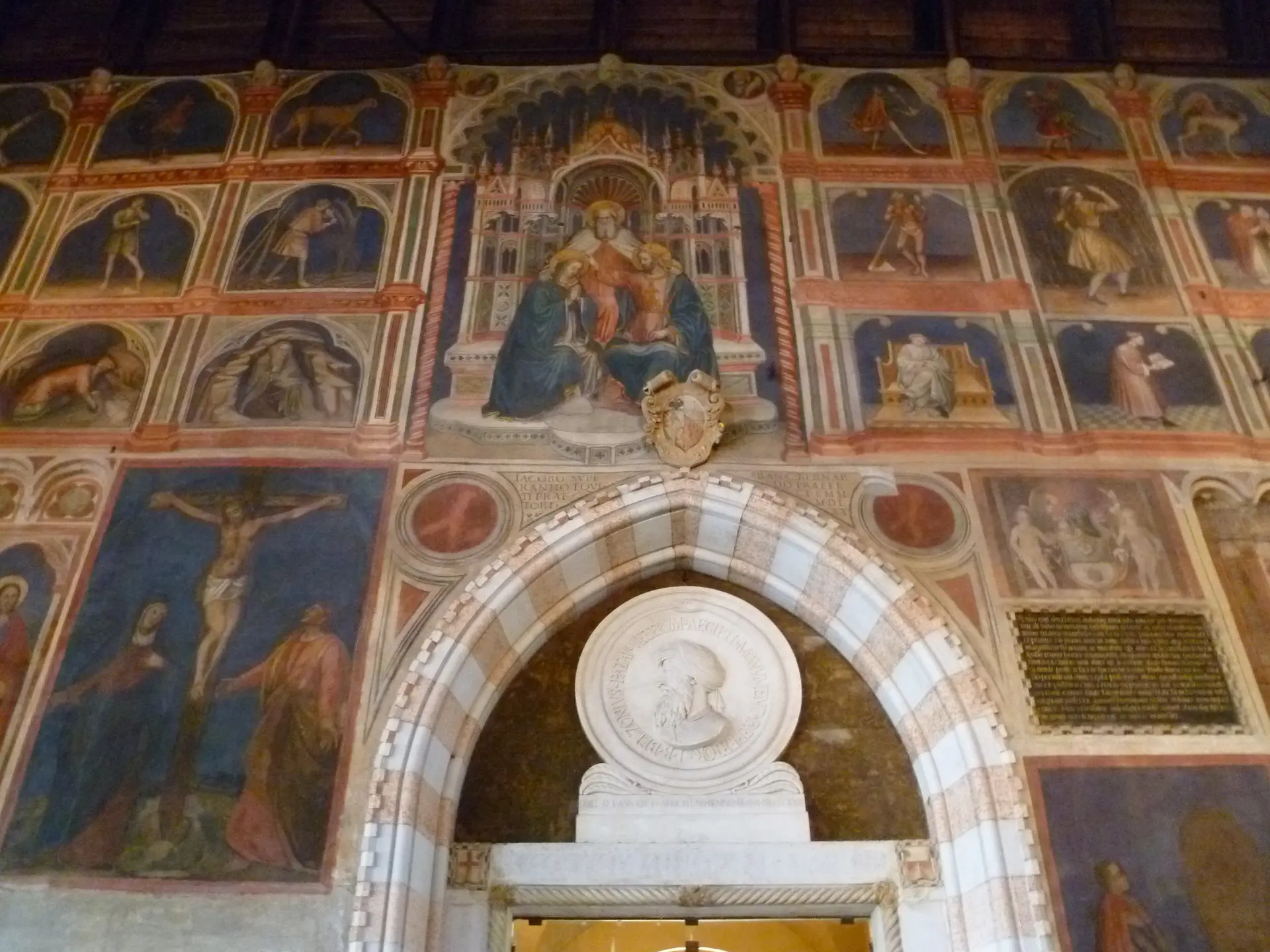
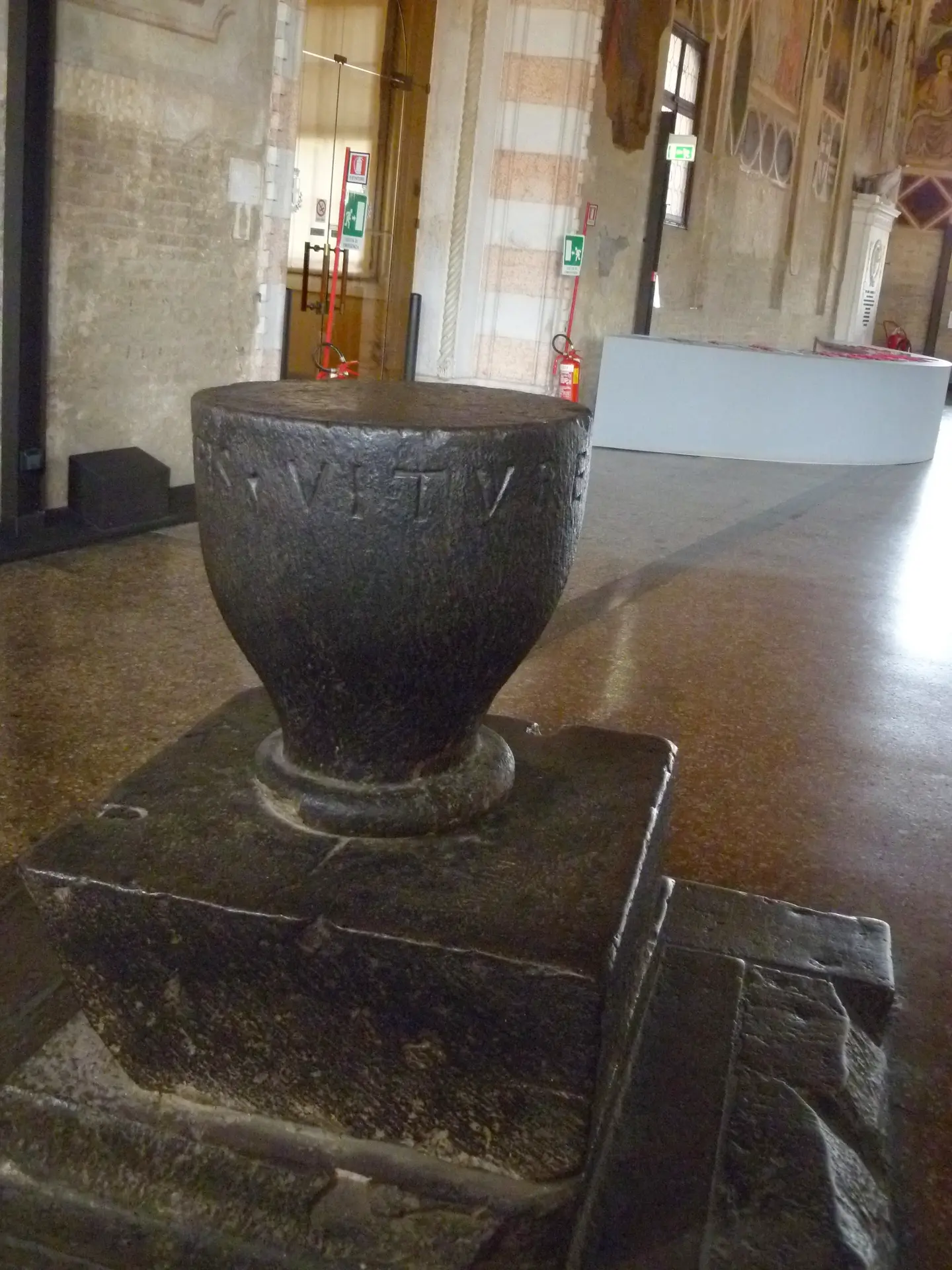
The Palazzo della Ragione
A medieval law court with markets underneath it and a hall on top the size of a church.
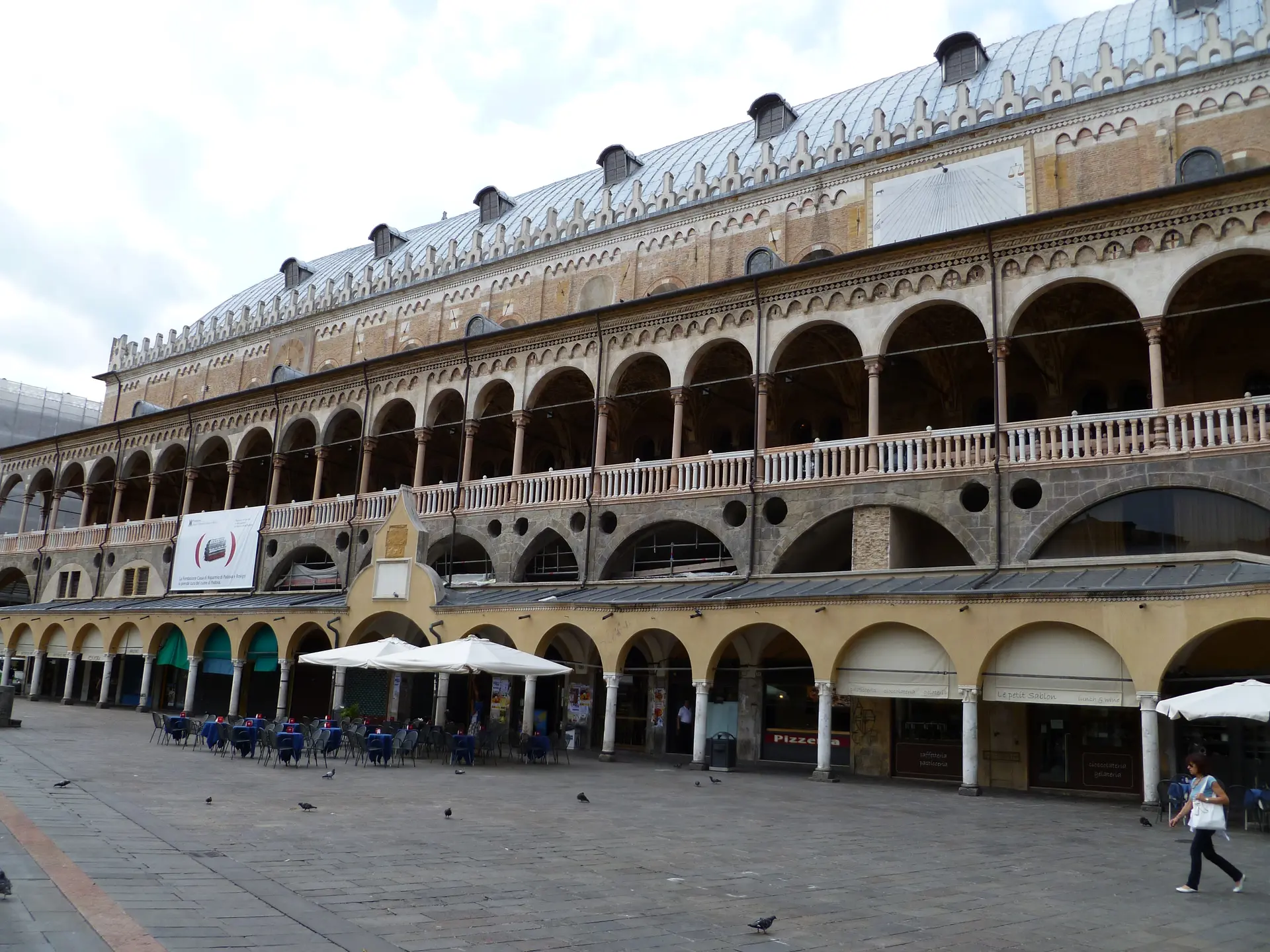
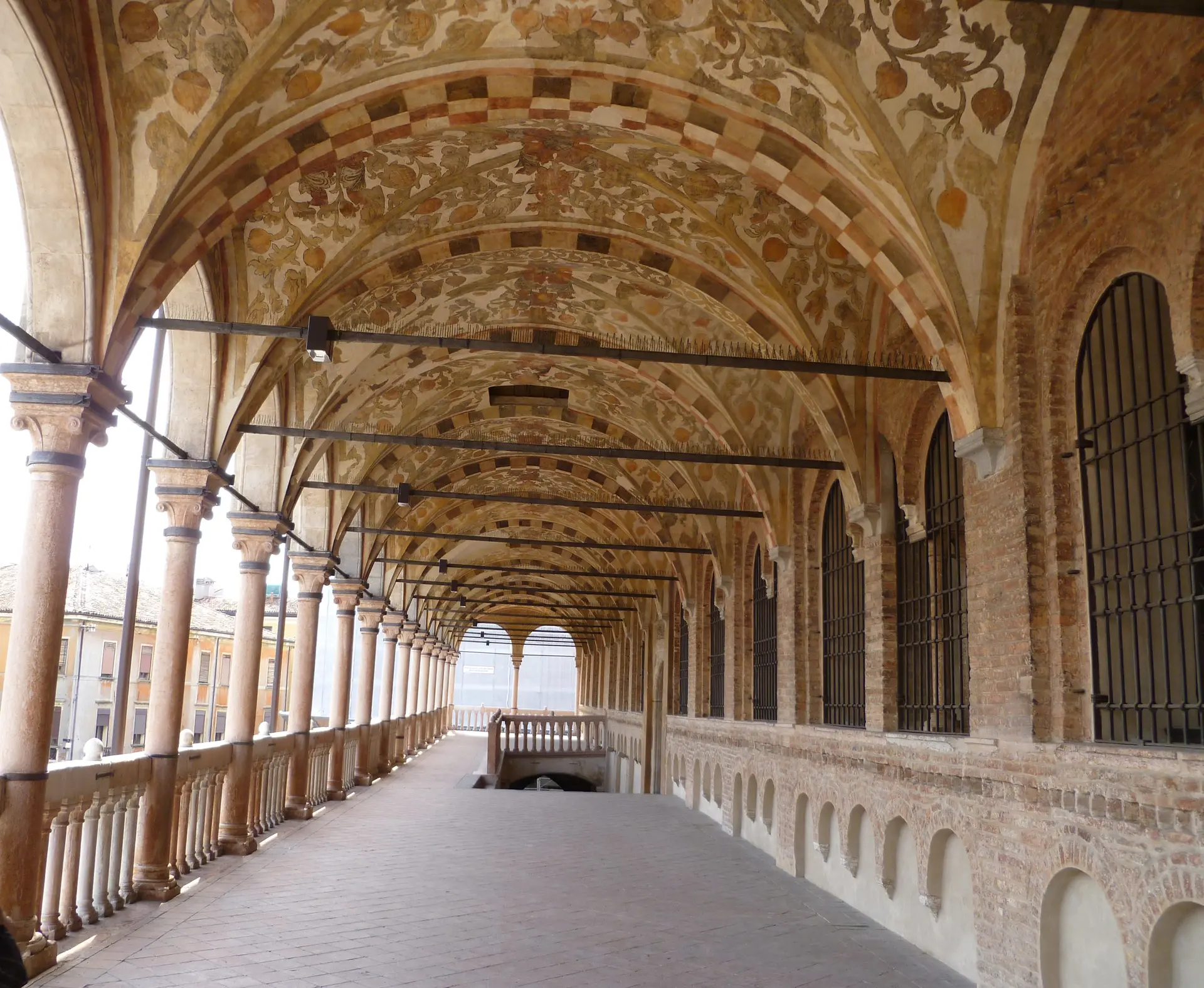
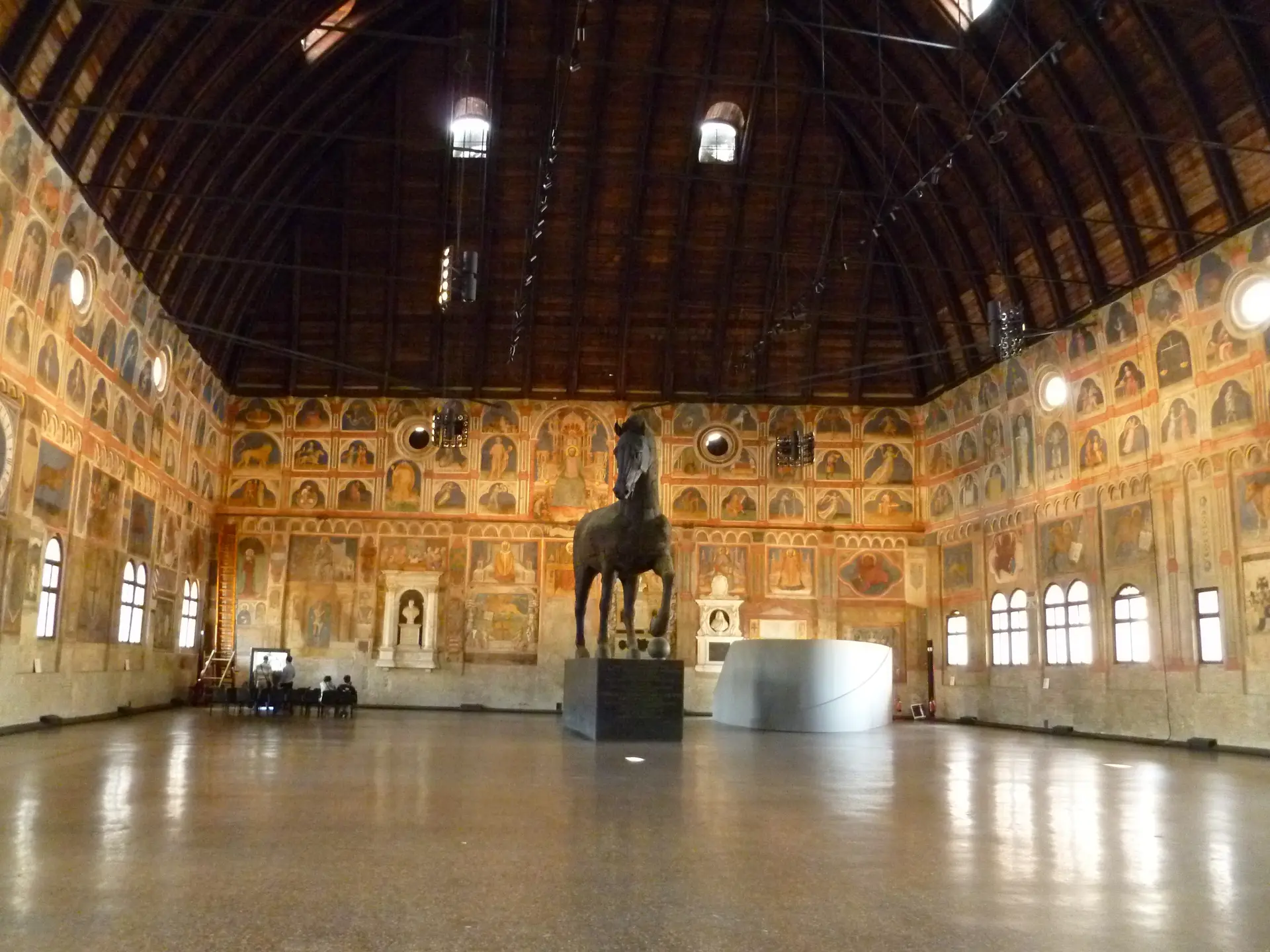
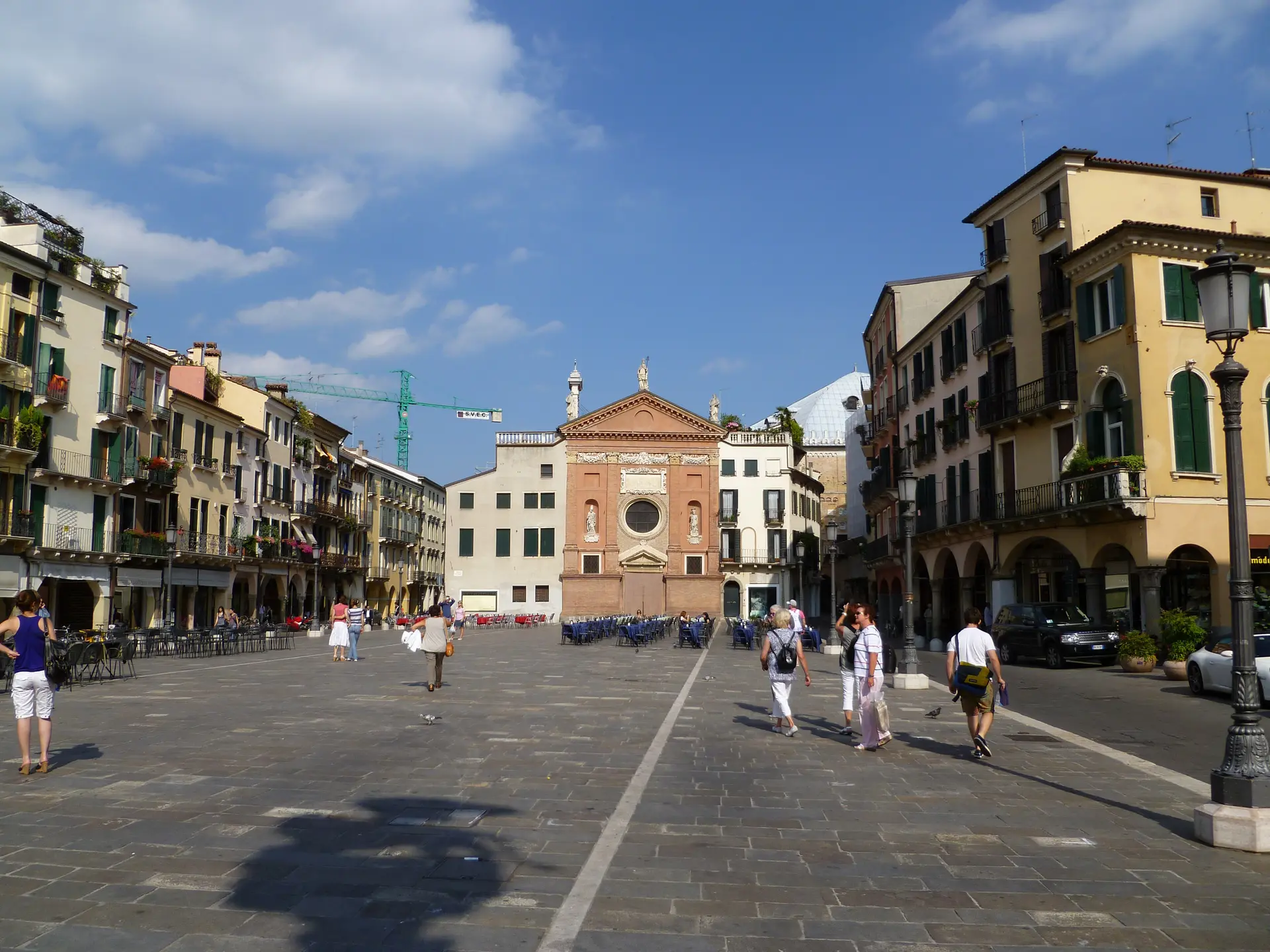
The Squares
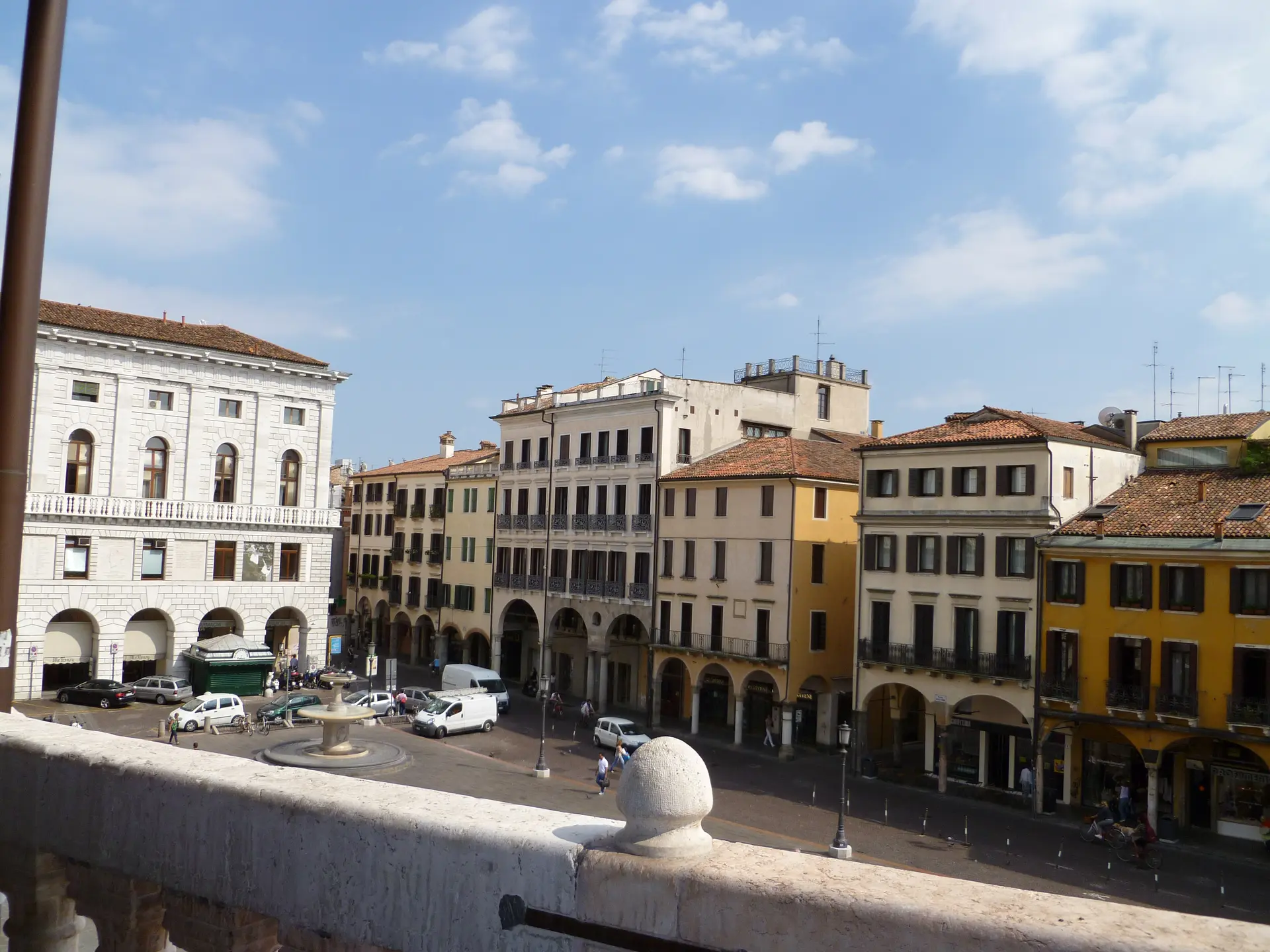
Padua strings its life across three connected squares, and the arcades never quite stop.
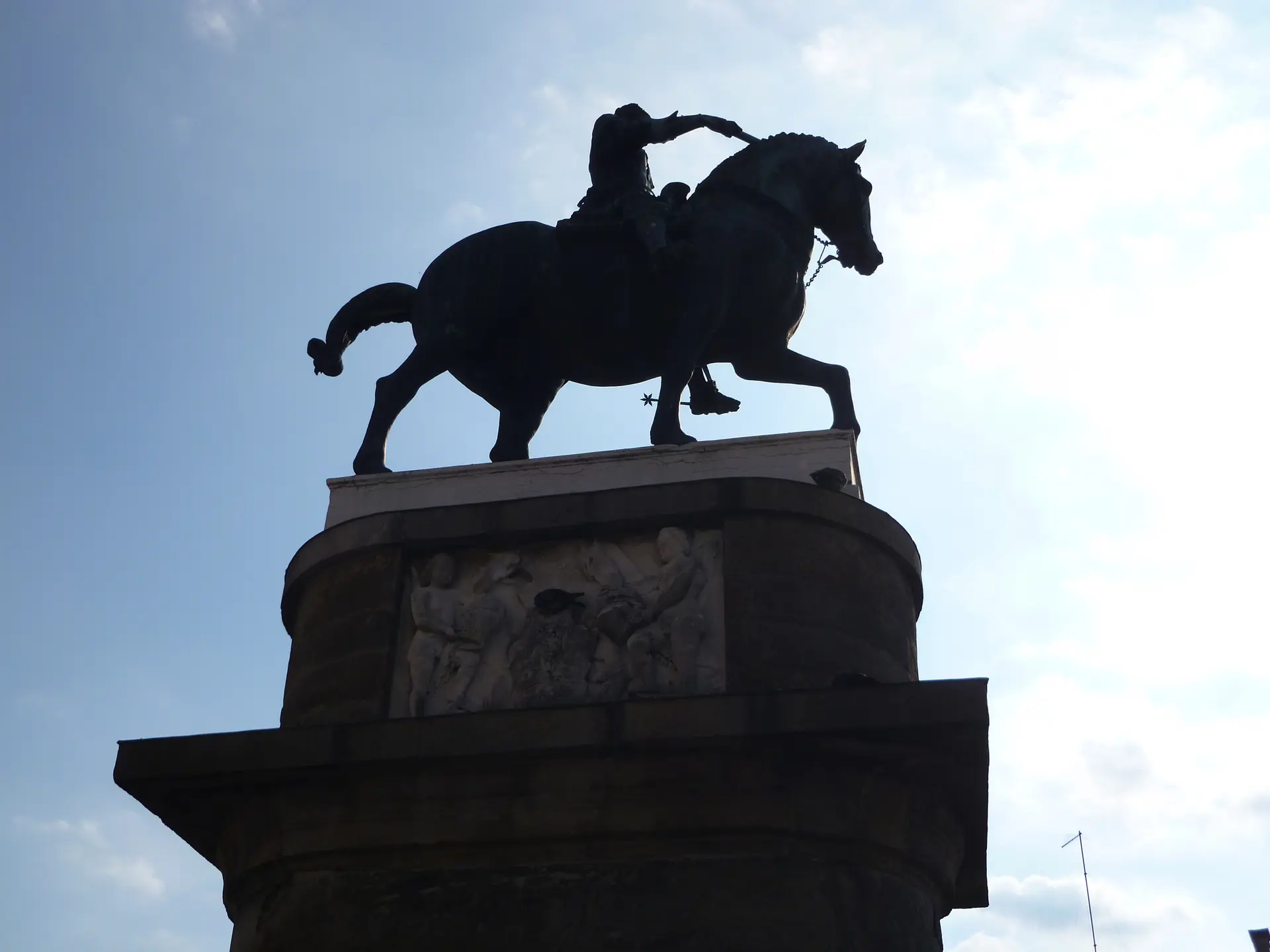
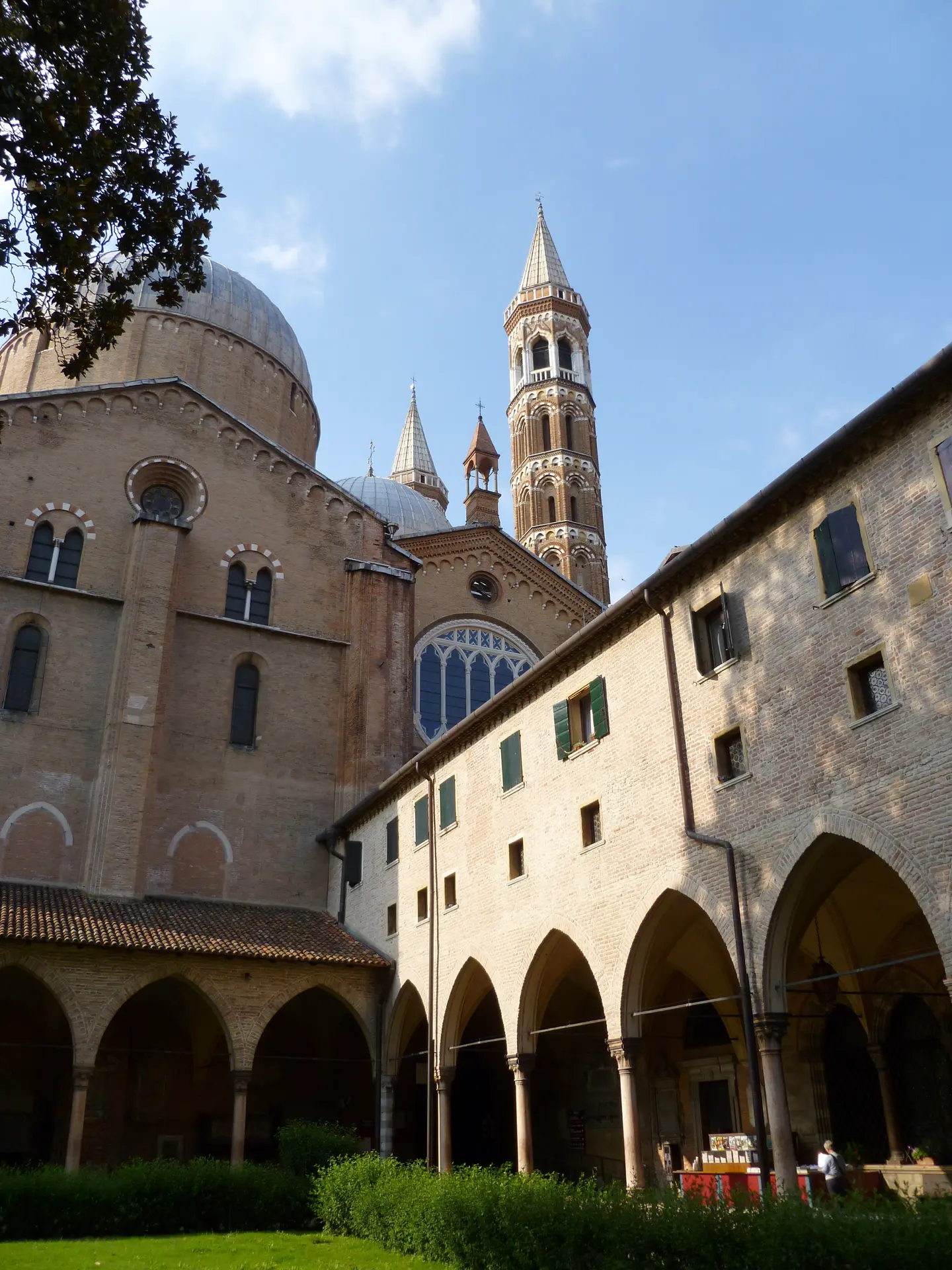
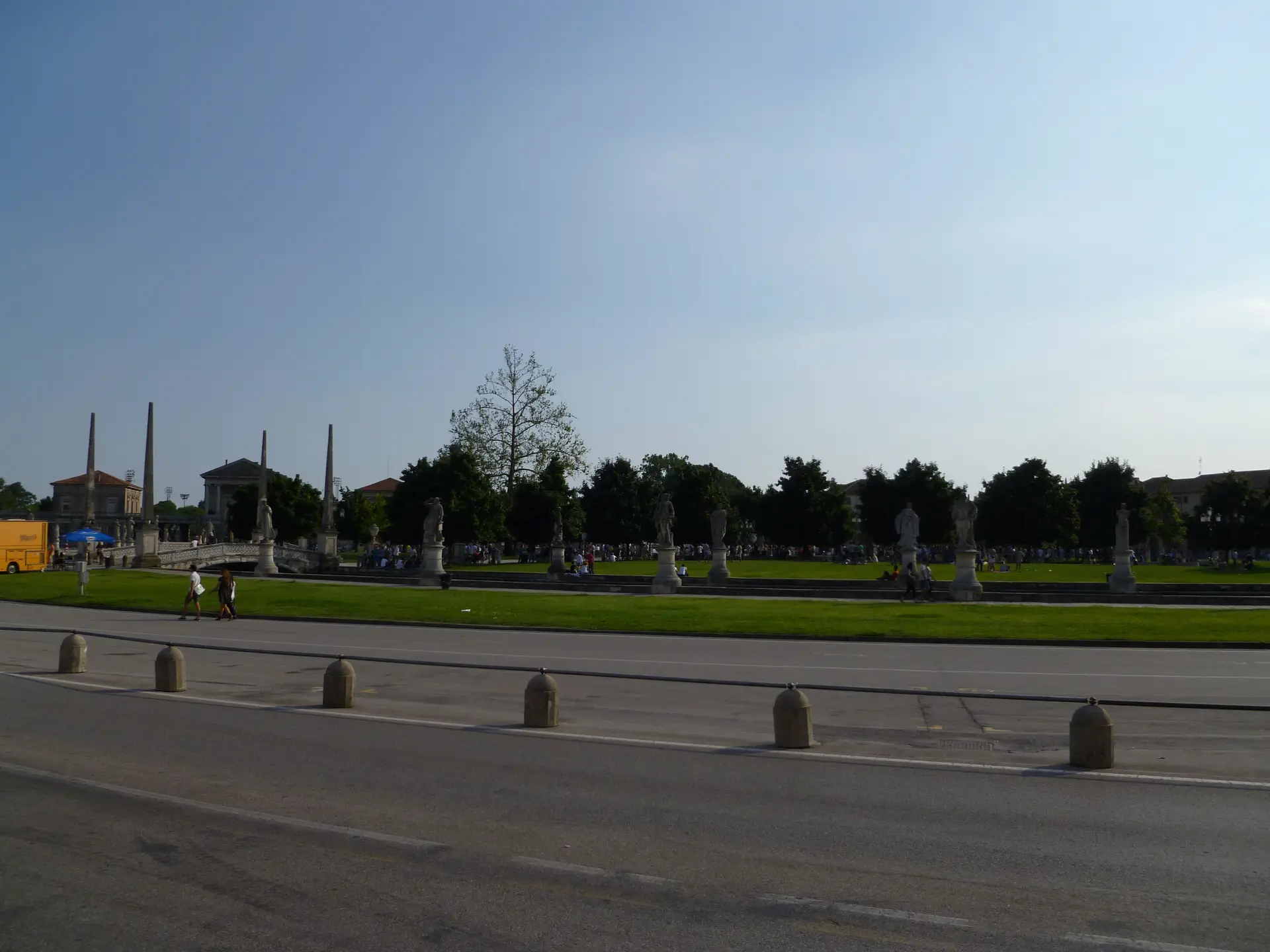
Il Santo and the Prato
The pilgrim basilica, its cloister, and the vast oval square a few minutes beyond it.
Live Prices & Availability
Stay Nearby
Some links may earn us a commission at no cost to you. We only recommend places we would stay.
Visiting Padua
- Book the Scrovegni Chapel days ahead. Entry is strictly timed, there are no walk ups in season, and the whole day is easier once that slot is fixed.
- The market halls under the Palazzo della Ragione are the best food shopping in the Veneto. Go in the morning and go hungry.
- Padua sells a combined city card that covers the chapel, the Salone and several museums. If you are doing more than two of them it usually pays, but check what is current before you buy.
- The Palazzo del Bo is guided visits only and the times are limited. Look them up the day before rather than turning up.
- Six in the evening in Piazza dei Signori or Piazza delle Erbe is the spritz hour, and Padua takes it seriously.
- Staying here and day tripping into Venice saves real money, and you get evenings among people who live where they sleep.
Frequently Asked Questions
Continue Your Italian Journey
Explore more destinations in our Italian travel network
More journeys: 🌺 rHawaii ✈️ rVacation 📷 rPhotography 🍽️ rDining
Some links on this site are affiliate links. If you book through them, we may earn a commission at no additional cost to you. We only recommend tours and stays we would book ourselves.